
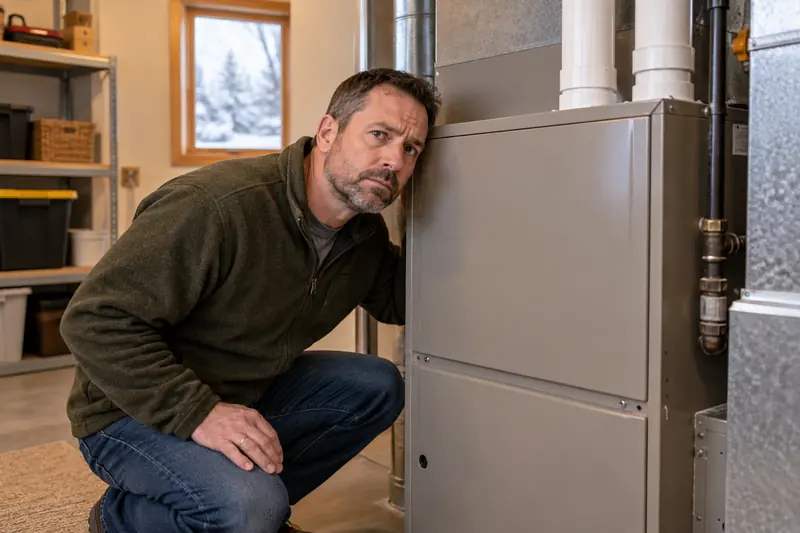
Describe the sound and its timing
Does the noise occur when the furnace starts, while the blower runs, or just before it shuts off? Is it a rattle, hum, squeal, pop or bang? Note whether rooms are heating normally and whether the noise has changed. A short recording made from a safe distance may be useful to describe the pattern.
Possible areas a provider may inspect
Loose panels or ductwork can sound different from a blower or ignition issue, but sound alone cannot confirm a cause. A professional can assess the equipment, airflow, mounting and controls. Avoid removing covers or reaching into moving parts. If the furnace stops heating or cycles repeatedly, tell the provider; those details may change the urgency and scope of the visit.
When to stop and seek help
If the noise is accompanied by a gas smell or a carbon monoxide alarm, leave the building and contact emergency services or your gas utility from a safe location. Otherwise, ask a qualified provider whether you should keep the system off until it is assessed. Furnace Connect is a referral website, not an emergency response service.
For a silent system or no heat, see no-heat help. For a furnace starting and stopping, see short cycling.
Questions homeowners ask
Is a rattling furnace always a major repair?
No. Several different conditions can produce rattling. A provider needs to inspect the source rather than judge severity from the sound alone.
Can I tighten a noisy furnace panel myself?
Follow only the safe homeowner instructions for your equipment. Do not open service panels or reach near electrical, gas or moving components.
Optional homeowner tools to compare
These optional tools can help you keep records or make simple, safe observations. They are not substitutes for a qualified furnace assessment, and no product purchase is needed to contact an independent provider.
As an Amazon Associate I earn from qualifying purchases. Product images are AI-generated illustrations of product categories, not photos of particular Amazon listings. Prices, product features and availability are determined by Amazon or its sellers.
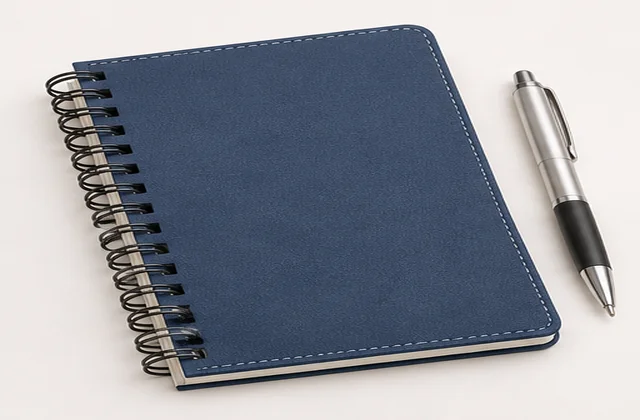
Home maintenance logbook
Note the noise, time, furnace cycle and other symptoms before the diagnostic visit.
Compare on Amazon (paid link)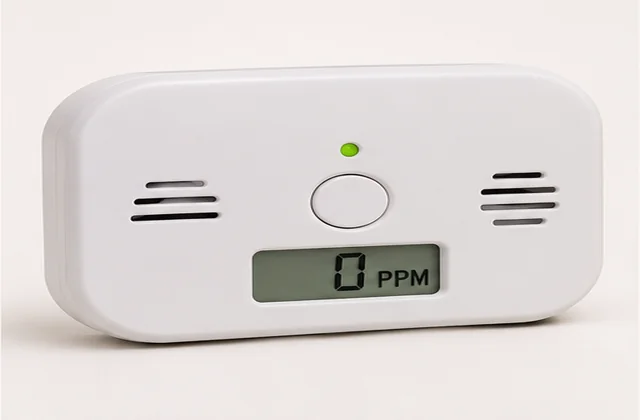
Carbon monoxide alarm
Review household carbon monoxide alarm coverage and follow the alarm manufacturer’s instructions.
Compare on Amazon (paid link)If you smell gas, suspect carbon monoxide, or hear a CO alarm, leave the area and follow emergency guidance. Never bypass furnace safety controls.